ECU tuning, remapping, flashing, chipping - these terms get thrown around interchangeably in the automotive world. But they're not all the same thing, and understanding the difference matters when you're deciding what your vehicle needs.
What is ECU remapping?
ECU remapping (also called flashing) is the process of modifying the calibration data stored inside your vehicle's factory ECU. Every modern vehicle has an ECU (Engine Control Unit) that controls fuel injection, ignition timing, boost pressure, and other engine parameters.
The factory calibration is conservative by design - it needs to work across a wide range of conditions, fuel qualities, and climates. A remap adjusts these parameters to extract more performance, improve throttle response, or optimise fuel economy.
Remapping is done via the vehicle's OBD port or by removing the ECU for bench flashing. At The Torque Lab, we use HP Tuners VCM Suite for factory ECU remapping on GM, Ford, Dodge, and other OEM platforms.
What is ECU tuning?
ECU tuning is a broader term that includes remapping but also covers standalone ECU installations. A standalone ECU (like Haltech, Link, or MoTeC) replaces the factory engine management system entirely, giving the tuner complete control over every aspect of engine operation.
Standalone ECUs are typically used on heavily modified engines, engine swaps, or vehicles where the factory ECU can't handle the required changes. They offer features like sequential injection, individual cylinder tuning, launch control, anti-lag, and traction control.
Which one do you need?
Factory ECU remap is the right choice if:
- Your engine is mostly stock or lightly modified
- You want more power from bolt-on modifications (exhaust, intake, intercooler)
- You want a diesel performance tune
- You want improved throttle response and drivability
Standalone ECU is the right choice if:
- You've done an engine swap
- You're running a built engine with significant modifications
- You need features like launch control, anti-lag, or traction control
- The factory ECU can't be remapped for your platform
- You want maximum tuning flexibility
The dyno is what matters
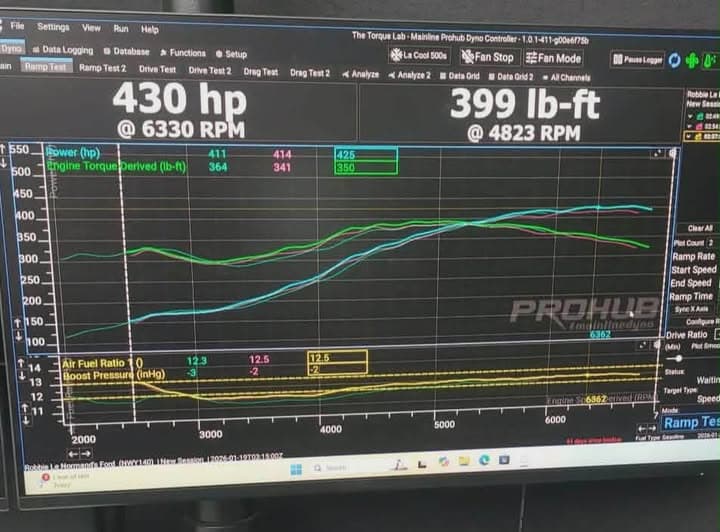
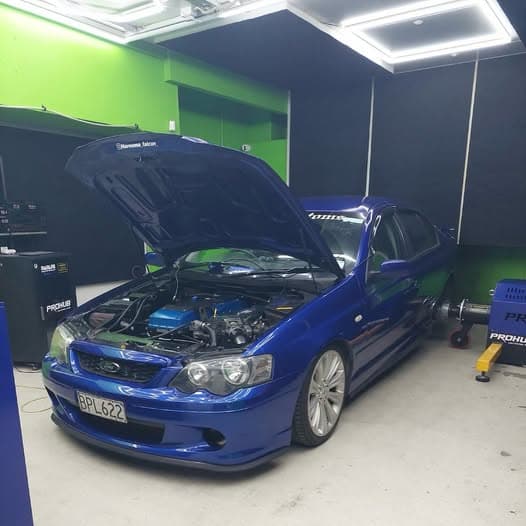
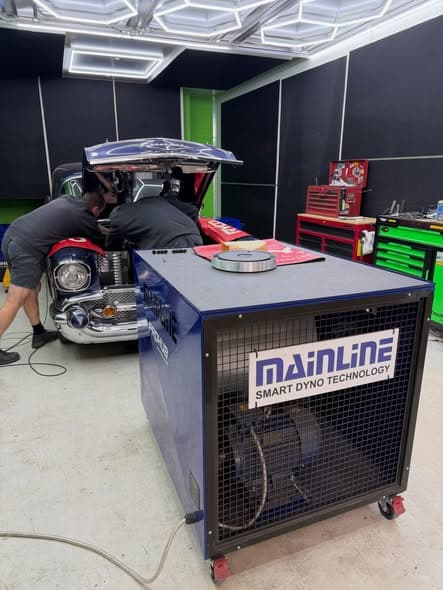
Whether it's a factory remap or a standalone ECU tune, the calibration should be verified on a dynamometer. At The Torque Lab, every tune - remap or standalone - is built and verified on our Mainline hub dyno with real-time data logging.
We work with Haltech Elite and Sport series, Link G4X and Thunder, HP Tuners VCM Suite, and MoTeC systems. If you're not sure which approach is right for your vehicle, get in touch and we'll talk you through the options.