"DPF delete" is one of the most searched diesel tuning terms in New Zealand, and for good reason - DPF (Diesel Particulate Filter) issues are one of the biggest headaches for diesel vehicle owners. But before you go down that road, there are some important things to consider.
What is a DPF and why do they cause problems?
A DPF is an emissions control device fitted to modern diesel vehicles. It captures soot particles from the exhaust and periodically burns them off through a process called regeneration. When it works properly, you barely notice it's there.
Problems start when the DPF can't regenerate effectively - usually because the vehicle is used for short trips, stop-start driving, or low-speed work where the exhaust never gets hot enough to trigger a regen cycle. The DPF fills up, the warning light comes on, and performance drops.
What is a DPF delete?
A DPF delete involves physically removing the DPF from the exhaust system and remapping the ECU to disable the regeneration cycle. This eliminates DPF-related problems entirely and typically gives a noticeable improvement in power, throttle response, and fuel economy.
The legal situation in NZ
Here's where it gets complicated. As of 2024, removing or tampering with emissions equipment is illegal under New Zealand's Land Transport Rules. Vehicles with deleted DPFs can fail a Warrant of Fitness (WoF) inspection, and there are increasing enforcement efforts around emissions tampering.
The penalties can include WoF failure, fines, and in some cases the requirement to reinstate the emissions equipment at significant cost.
The alternative: DPF-safe diesel remapping
A DPF-safe diesel remap keeps your DPF in place and fully functional while still delivering meaningful performance and economy gains. The remap optimises fuel injection timing, rail pressure, boost control, and torque delivery - all within parameters that allow the DPF to regenerate normally.
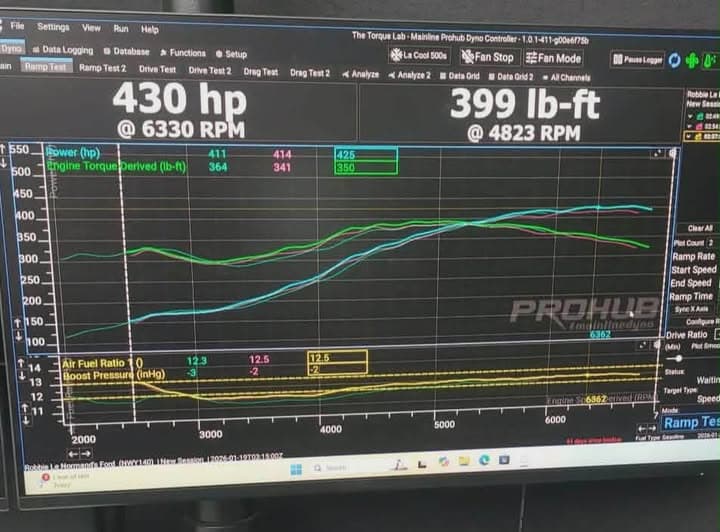
At The Torque Lab, our diesel tunes are DPF-safe and emissions compliant as standard. We tune Hilux, Ranger, Navara, D-Max, Prado, and other common NZ diesel platforms on our Mainline hub dyno.
What gains can you expect from a diesel remap?
A properly calibrated diesel remap typically delivers:
- 15-30% increase in torque (the most noticeable improvement)
- 10-20% increase in power
- Improved throttle response and reduced turbo lag
- Potential fuel economy improvement of 5-15% (depending on driving style)
- Smoother power delivery and better towing performance
These gains are verified on our Mainline hub dyno with before-and-after data, so you know exactly what you're getting.
Which option is right for you?
If you want to stay legal and keep your WoF, a DPF-safe remap is the clear choice. You still get meaningful performance and economy gains without the legal risk.
If your DPF is already damaged or blocked, talk to us about your options. In some cases, a DPF replacement combined with a remap is the most cost-effective long-term solution.
Whatever your situation, get in touch and we'll give you honest advice based on your vehicle and goals.